Athletic Performance
What if the limit you hit late in a race is not a physiology problem?
Two athletes with near-identical conditioning perform completely differently under pressure. We train the part of the system that decides how much output is safe, well before the body actually runs out.
The claim
Breath holds and CO₂ drills help. In our experience they are rarely what is capping your output.
Both do something real. Either can hand an athlete a genuine short-term edge right before a competition, the kind that shows up for a day and then fades.
What neither is built to do is change what we call the unconscious-self: a protective habit of mind that pulls output back before the body has reached true physiological failure. Our working theory, built from years of applying this with real competitors, is that this is what sets the ceiling for most trained athletes.
So we teach the popular techniques, because athletes ask for them and they earn a narrow but real place in a program. Then we teach the part most breathwork education skips: a structured, sport-specific sequence for retraining what the unconscious-self believes this body can handle, laid out across weeks rather than handed over in one session.
Where it starts
You cannot train what you have not measured.
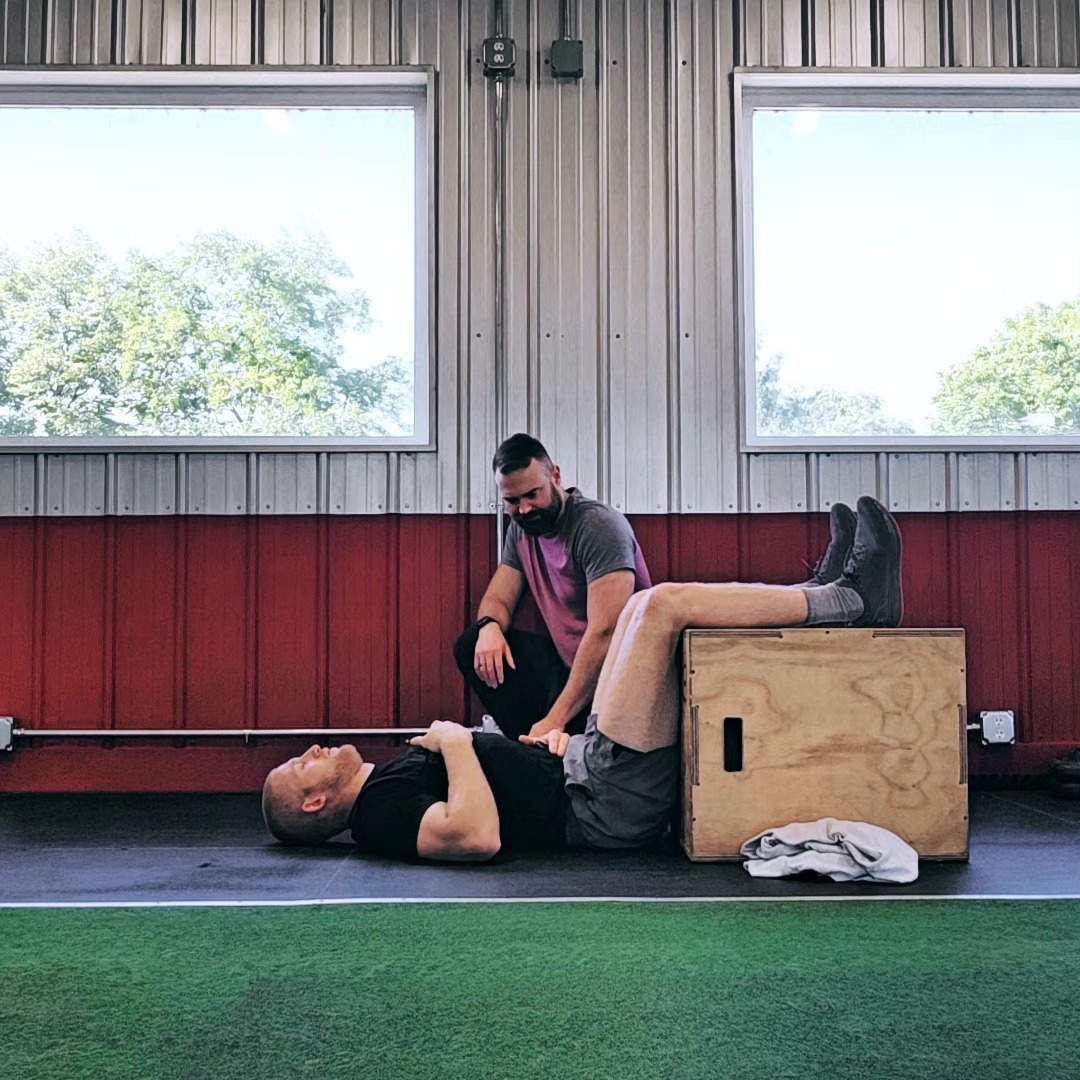
Every athlete is tested before a single protocol begins. We establish a real baseline for how they breathe right now, then use their own sport’s conditioning work to isolate one question: how much output can this athlete sustain before their breathing pattern breaks down, and how long can they hold it there.
Establish the number
A measured baseline, logged. How a session felt is a weaker signal than what it produced. Not a useless one, but weaker.
Track the trend
Progress is rarely a straight line. It comes fast, levels off, then moves again. The log shows the real trend instead of one workout judged against another.
Take it to the field
Once the pattern holds under controlled conditions we move it into runs, sprints and rounds, where weather, opponents and adrenaline add back everything a controlled setting removes.
That last step is the actual test of whether the skill became instinct or stayed a gym trick.
Featured athlete
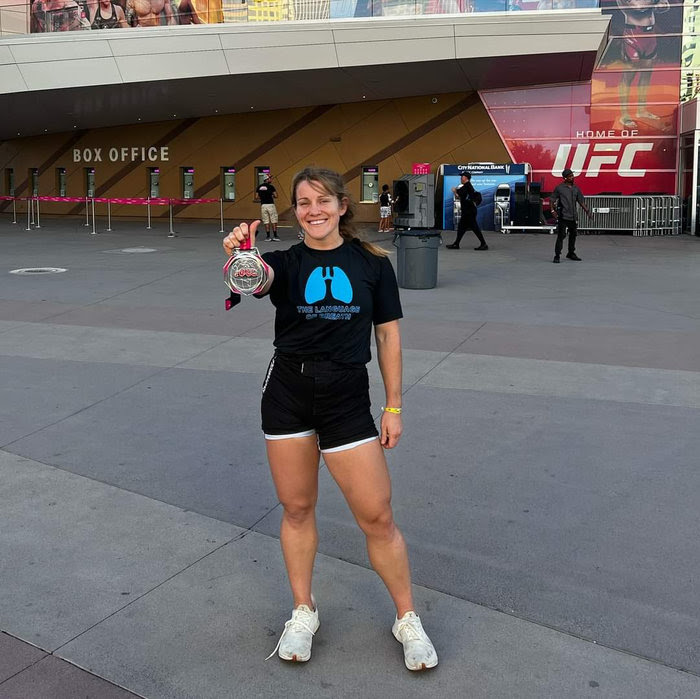
Allie Bobe took Language of Breath training into competitive Brazilian jiu-jitsu.
She is an accomplished BJJ competitor and has been open about using this work as part of how she trains. We did not build her a special protocol. She was assessed, given a set of gears, and taught when to shift between them, which is the same system every athlete here gets.
We are showing one athlete rather than a wall of logos because one named person you can look up is worth more than a row of badges.
The core system
Most athletes have exactly one breathing setting.
They breathe at rest roughly the way they breathe at full sprint. We teach several settings and how to move between them deliberately, the same way a cyclist already shifts gears rather than grinding one ratio up every hill.
That is what makes this a system rather than a drill. The gears are chosen from assessment, they are specific to the sport, and they are trained until they hold when it matters.
Why trust this alongside your conditioning, not instead of it
Taught directly, not delegated
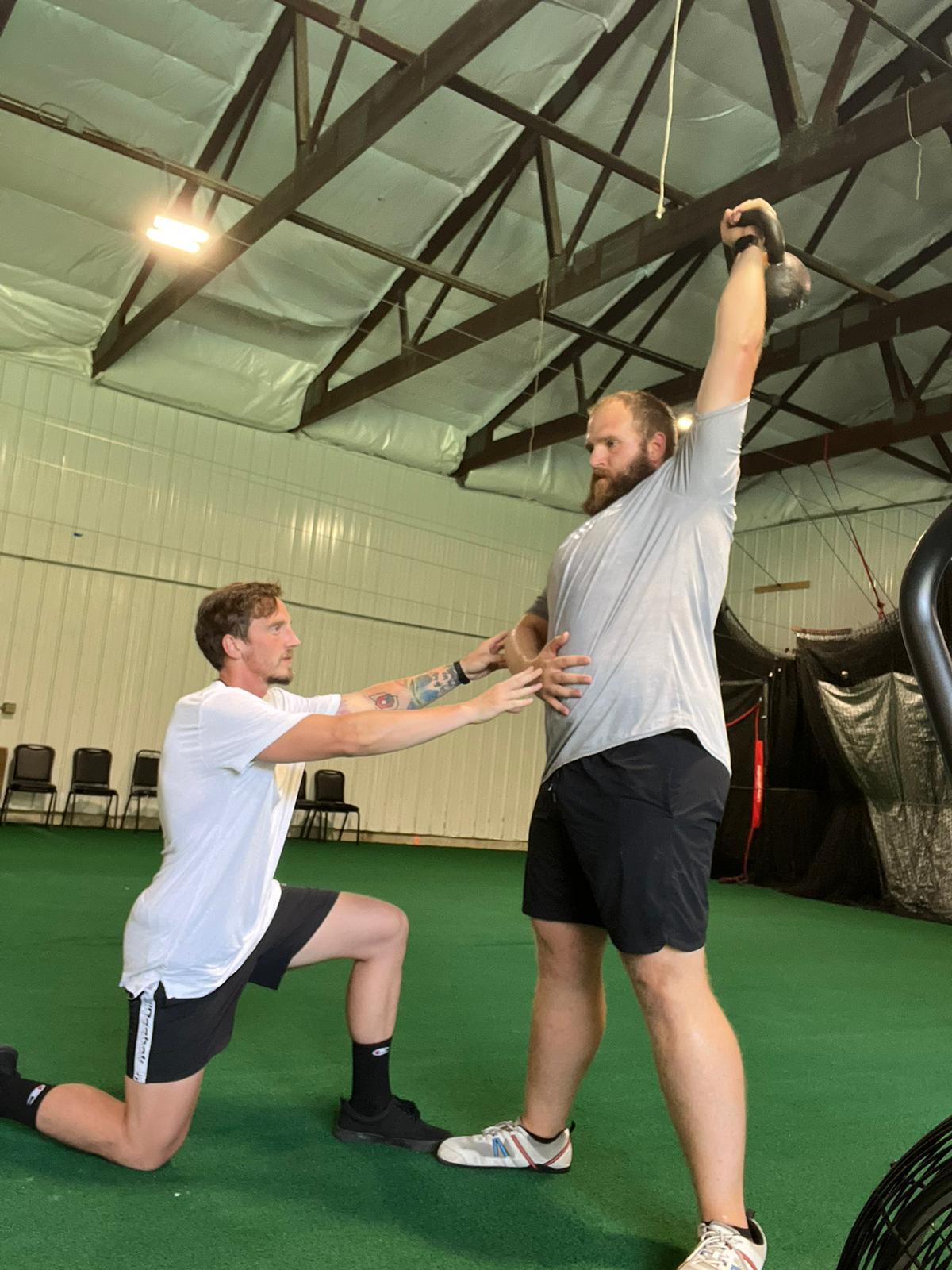
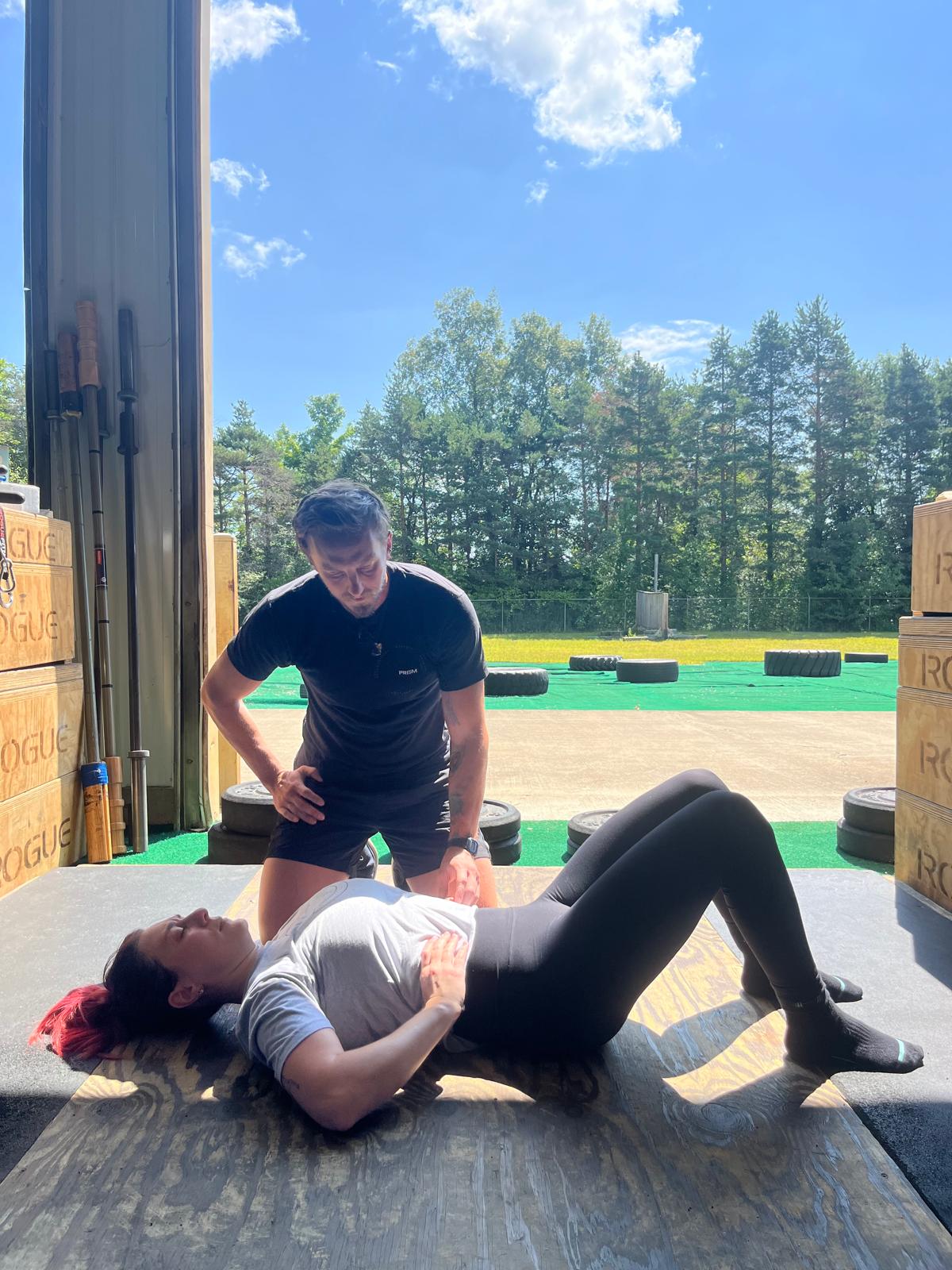
The athletic curriculum is taught by our founding instructor, with input from faculty across the school’s other disciplines, so it reflects more than one perspective on the same athlete.
Physiology and psychology together
Most popular protocols work on the body alone. Training the mind’s role in output and recovery at the same time is the piece the rest of the field has largely left out.
Numbers, not testimonials
Tested before training begins and tracked with objective numbers throughout, so results are visible on paper rather than claimed in marketing copy.
We will tell you when a number has not moved.
Coaches
If you work with athletes, you can learn to run this yourself.
Training Athletes is a module inside the full certification, covering sport-specific assessment, endurance, focus, CO₂ tolerance, rapid recovery and injury-recovery protocols. Coaches who certify can apply it across a whole roster instead of referring out.